
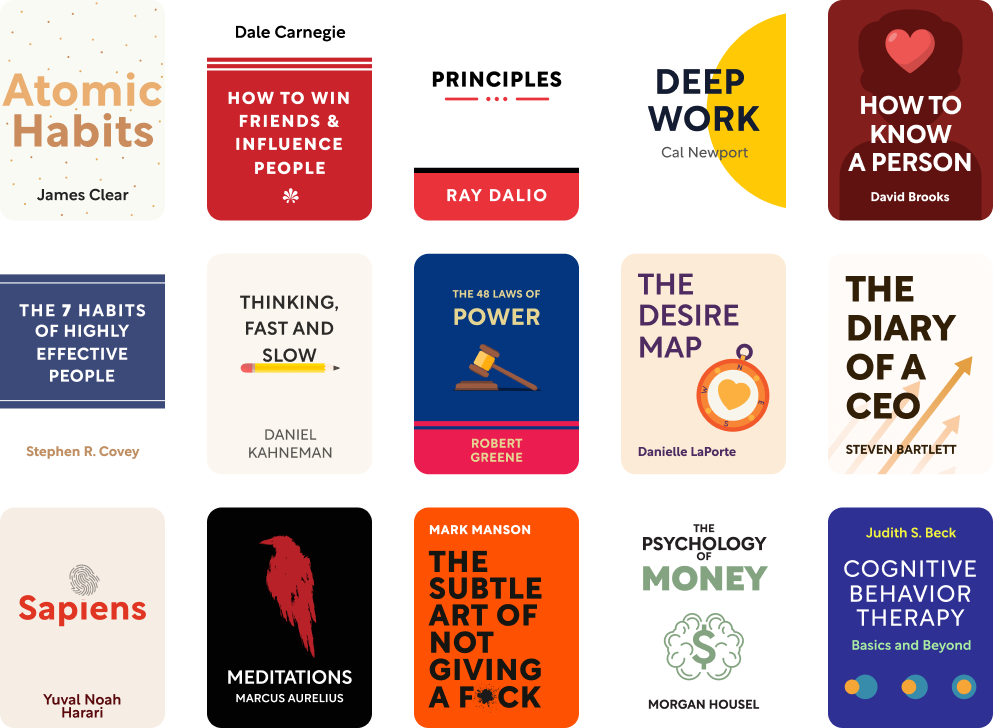
Shortform sponsored this post, but they didn’t tell me what to write. Here’s an honest take from someone who’s been using their service for years.
On most days, I am not the person who curls up with a book for two hours.
I’d like to be. I picture some better version of me with a quiet evening, a comfortable chair, and a thick hardcover I go through start to finish. The reality is closer to twenty minutes between meetings and a few quiet minutes before I fall asleep. Those are my reading hours.
For a long time I felt bad about this. Reading in the cracks isn’t real reading, I’d tell myself. The serious people sit down and put in the time.
Reading in the cracks can be some of your best reading time.
Think about it as picking ideas. I keep a running list of topics I want to think about. When I have twenty minutes, I pull up a Shortform summary on whatever I’m trying to figure out that week.
Last week the topic was difficult conversations. I had a hard call coming up and wanted to think it through before getting on the phone. Not by reading three books on it. Just by sitting with the core ideas for twenty minutes. Their summary of Crucial Conversations got me there. I read it standing in the kitchen while waiting for water to boil.
Five minutes later I was thinking about the call differently.
That kind of just-in-time reading is something I could never do with physical books. By the time I’d found the right book, opened to the right chapter, and remembered where I left off, the window had closed. With Shortform, I pull up the one-page version, get the spine of the argument, and decide whether to go deeper.
Where this gets really useful is with Shortform’s Master Guides. A Master Guide pulls from ten or fifteen books on a single subject and gives you one guided read across them. You see where the authors agree and where they argue with each other.
Shortform doesn’t replace deep reading. A book that grabs me, I still read in full. Some books deserve the long evening and the chair. I’ll keep doing that for the ones that earn it.
What it replaces is the guilt pile. The stack of books I bought because they sounded important and never actually opened. Now I read the one-page summary, decide if it deserves more time, and either commit to the full guide, read the full book, or move on.
That triage is the part I didn’t expect to value. I read more by reading less of what doesn’t deserve a full read.
If you want to try Shortform, use my link and you’ll get a free trial plus a 25% discount on the annual plan. Pick one topic you’ve been meaning to think about. Read the summary in five minutes. See if you walk away with something useful.
That’s how I started. I’m still using it years later.
I write about getting more from your Apple gear. If this was useful, go deeper in the Labs or grab the weekly newsletter.