iPhone 17 Camera Review

Today is iPhone review release day. Hooray! Tyler Stalman’s iPhone Camera review was most interesting to me. He’s a fan. It was interesting how much he talked about the improvement to the selfie camera. For typical users, this may be the biggest win. The biggest surpise to me was the quality of the AirPods as a wireless mic for shooting video with your phone.

Why The iPhone is Getting Interesting

Apple dropped their latest batch of iPhones this week, along with new Apple Watches and an AirPods Pro update. Here’s what you need to know.

The iPhone 17 lineup brings the usual suspects with some interesting twists. The standard 17 gets some nice upgrades and features that were traditionally only on the Pro phones, like ProMotion. The 17 Pro and Pro Max got a noticeable upgrade to the cameras, and their switch from titanium to aluminum should allow the A19 Pro chip to cook without actually cooking. The Pro models finally get some personality with new color options (more on that in a minute). The oddball is the iPhone Air. It’s remarkably thin and light, but you’re giving up some camera capabilities and battery life to get there.

On the wearables front, the Apple Watch Series 11 focuses on health tracking improvements and better battery life. The new Apple Watch Ultra 3 is the notable watch release this year, getting satellite communications from your wrist, a slightly bigger screen (in the same size case), and several other iterative improvements.

The new AirPods Pro 3 bring improved noise cancellation and, hopefully, even a better fit for more people. They also added two more watch faces that appear entirely inscrutable to me. Apple’s streak of bad Apple Watch faces continues.

Here’s what really struck me about this event, though. The iPhone Air is fascinating because it’s not following Apple’s usual playbook. This isn’t a budget phone. It’s not a performance monster either. Apple’s asking people to pay premium prices for something thinner and lighter, and they’re paying with both money and features. You’re getting less camera capability than the Pro phones. Battery life won’t match the Plus models. But for some people, having a phone that practically disappears in their pocket will be worth those trade-offs.

I don’t expect the Air to be a runaway success, and that’s perfectly fine. I actually love that Apple’s making phones for different priorities now. They’re the only company making iPhones, so we only get what they give us. But at least they’re giving us more options than “big or bigger” and “expensive or more expensive”. Some folks want the absolute best camera system. Others want all-day battery life. And apparently, some people just want their phone to be as thin as possible. Good for them.

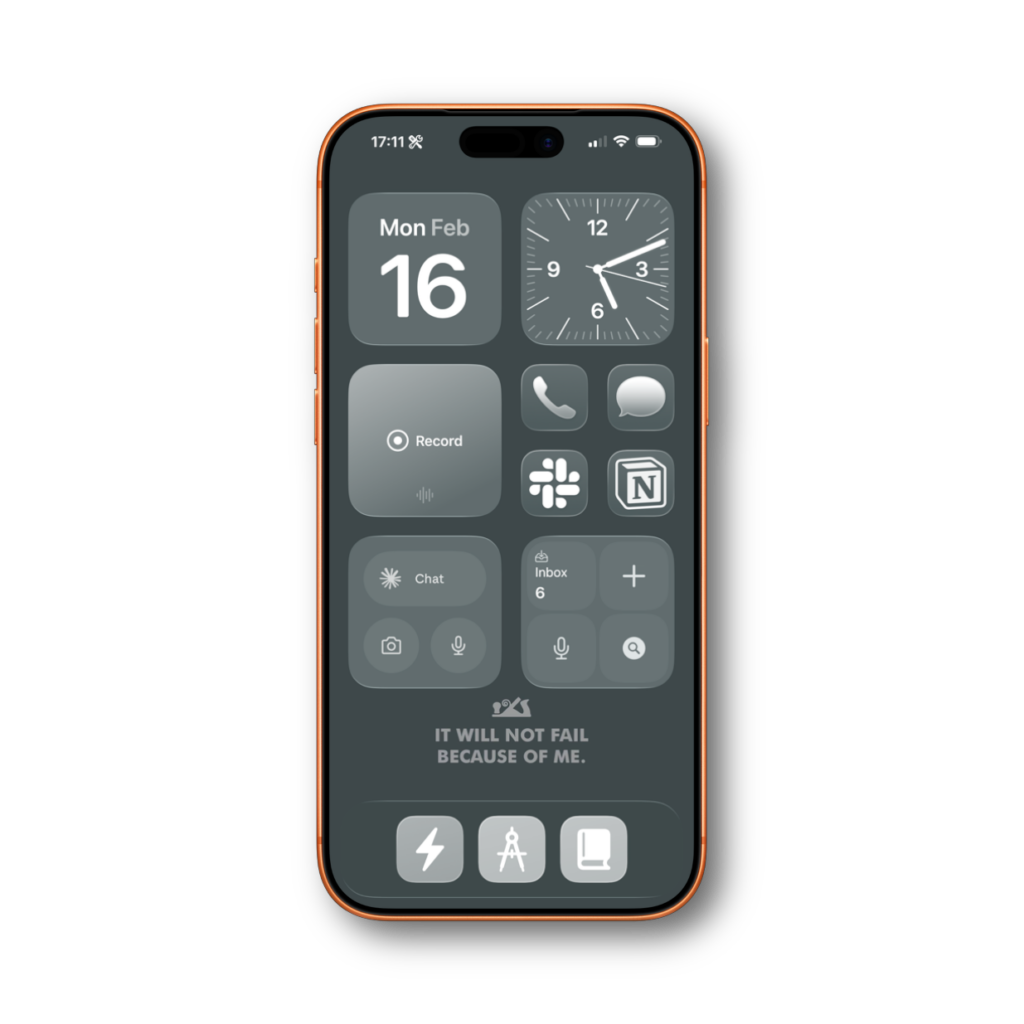
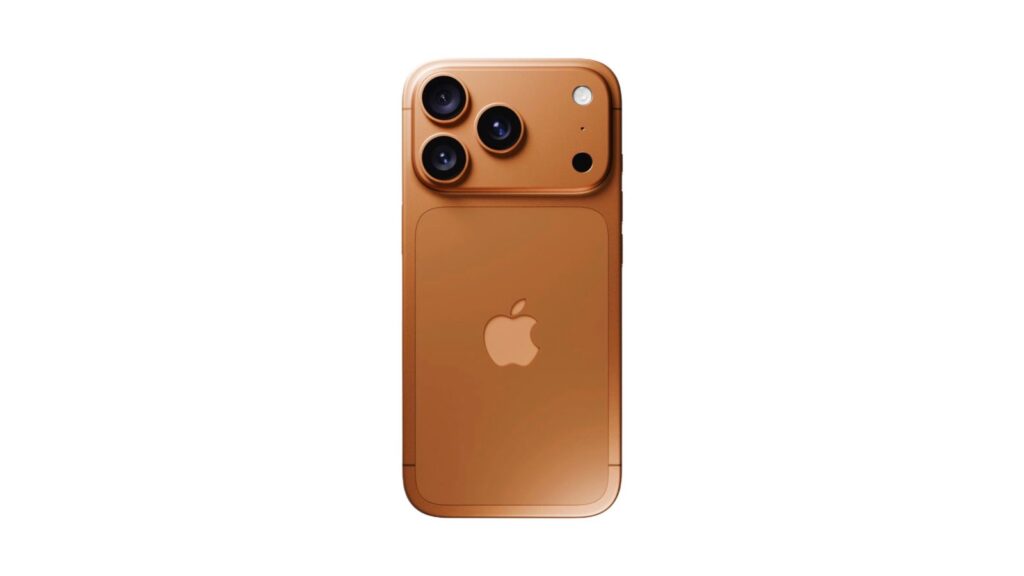
As for me? I’m going all-in on the iPhone 17 Pro Max in orange. Apple’s never offered vivid colors on the Pro phones before, and I’m here for it. After years of Space Gray and Natural Titanium, I want something with personality. My phone is with me constantly. Why shouldn’t it spark a little joy? The Air doesn’t really call out to me. I’m always going to want the most powerful iPhone with the best cameras. Also, the difference in weight between the iPhone Pro Max and the iPhone Air is 66 grams. That’s not insignificant for something you put in your pocket, yet it seems trivial to me for those additional features and battery life.

Looking ahead, the Air might be more important than it appears. Word is Apple’s been working hard on ultra-thin phone technology because next year we might see a folding iPhone. Folding phones need to be incredibly thin since a folding phone necessarily has two screens stacked together. Samsung and others have been selling folding phones for years now, and the timing feels right for Apple to jump in with its take on it.

I spend a lot of time reading on my phone, so the idea of unfolding it into a mini-tablet has real appeal. I’m already starting to save because if Apple does release a folding iPhone, it’s going to cost serious money. We’re probably looking at $2,000 or more if the current folding phone market is any indication. After years of incremental updates, we’re getting real variety in the lineup, and next year could bring the biggest form factor change since the original iPhone.

In short, the iPhone is interesting again.

Why the iPhone Air Might Actually Make Sense

It’s easy, as someone who writes about this stuff, to project our own preferences onto new products. And I’ll admit, I feel that pull strongly with the rumored iPhone Air.

As rumors continue to circulate about iPhone Air, a much thinner version of the iPhone that comes in at a higher price point than the entry-level model but not as powerful as the iPhone Pro, I can’t help but wonder: how big is the market for an expensive, skinny iPhone?

We’re now seeing mock-ups floating around, like this one on YouTube, as case manufacturers gear up. And yes, it’s definitely a lot thinner than the standard iPhone. But once you slap a case on it or even stick on an extra battery, you may very well end up holding something not noticeably different in hand from an iPhone Pro. Except now, it’s close to the Pro’s price without the Pro’s camera.

Maybe that’s the real inflection point: do you want a phone that’s slightly lighter, or one with a better camera? I suppose there’s a category of users who don’t take that many photos, or maybe never shoot video, and would gladly trade camera horsepower for something thinner and lighter.

The question (to which Apple should get an answer later this year) is exactly how many of those people are out there?

Apple Dodges Another Bullet

Over the weekend, we learned that smartphones and computers are now exempt from the latest tariffs. U.S. Customs and Border Protection (CBP) confirmed that smartphones, computer monitors, and various electronic components are among the exempted items. This means Apple has dodged another bullet — again.

This news is clearly good for Apple and for us as customers in the short term. However, it’s also a flashing red warning for the future. Apple currently assembles over 90% of its iPhones in China. That represents an enormous concentration of risk in one country. That’s too much for any company, and certainly too much for a company shipping hundreds of millions of devices annually to customers worldwide.

I fully acknowledge that moving iPhone manufacturing out of China isn’t as simple as flipping a switch. Apple has spent decades meticulously building that supply chain, a masterpiece of logistics and precision manufacturing. But global trade dynamics are evolving rapidly, and Apple can’t afford to stand still. This isn’t about politics; it’s about resilience.

Apple has executed Herculean efforts before. Now is another moment when they must rise to the occasion. Diversifying their manufacturing base might be the single most critical long-term move they can make right now. (That sentence was difficult to write because I also believe they need to fix their Siri/AI issues. But ultimately, they need to ship iPhone devices regardless of their current limitations.)

The Initial Response to the iPhone

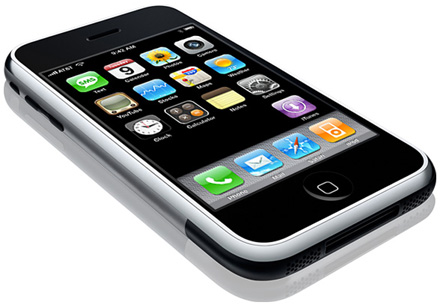
The iPhone is now 18 years old, and it’s easy to forget life before it. I used mobile phones before iPhone, and the difference was night and day.

The original iPhone was announced at Macworld in January 2007 .

Over the years, we’ve heard a lot about how competitors put their heads in the sand when the iPhone was first announced. My favorite is the story about Blackberry not believing it was true, that Jobs had somehow faked everybody out with non-existent technology.

However, in a recent data release by Nokia, it’s clear that they took it seriously. Nokia immediately started shifting direction with its products in development, recognizing the value of the multi-touch user interface. People now say that the iPhone innovation was inevitable and that if Apple hadn’t done it, somebody else would have devised a smart phone with a flat slate of glass. But looking at contemporaneous documents, it sure doesn’t seem like it. (via John Gruber’s Daring Fireball.)

Apple’s iPhone Testing Lab

I found this video fascinating. Of course, Apple’s testing facility looks like something from a science fiction movie.

An interesting point here is the tradeoff between reliability and repairability. As Apple tries to make its devices more repairable, how does it maintain reliability? This is interesting because an iPhone is not a washing machine. What I mean is that a washing machine should lean toward repairability. Ideally, a 10-year-old washing machine should be something you can repair and keep running. A 10-year-old iPhone, however, is not something you’d want to repair given the rate of advancement in technology (i.e. faster processors, new features, better cameras). There isn’t an easy answer here. Nevertheless, Apple’s space-aged testing lab is worth checking out.

Rumination on the Action Button

The rumors surrounding the iPhone 16 get more accurate as we get further into the year. One prevalent idea is that an additional button, dubbed the capture button, will be added to the iPhone 16 on all models. The idea of this seems simple enough: You hold up your phone, point at someone, and capture a picture. It’s unclear whether this will be addressable, like the Action button, that you can set to trigger an automation or other actions. But if I had to bet a nickel, I’d say you will not be able to do that. I think the idea is for Apple to have a button on the phone that will always take a picture.

It’s intriguing to witness the emergence of this button at this particular time. The iPhone has been around for a long time now, and the concept of a capture button isn’t novel. In fact, Apple introduced one on its battery case a few years back. I can’t help but speculate if the timing of this addition is Apple simply seeking to introduce something new.

Either way, I expect the capture button is aimed at the general market and not just us geeks. (I’d argue that the Action button, in contrast, is aimed at the geekier customers.)

Many people would appreciate the ability to quickly take a picture with their iPhone without any other manipulation but pushing a single button. It’s still early, and this capture button is not confirmed, but there is a lot of smoke around this idea, and I hope it comes true.